
By Dr. Alhaji K. Tarawally, Adjunct Professor and International Relations Expert
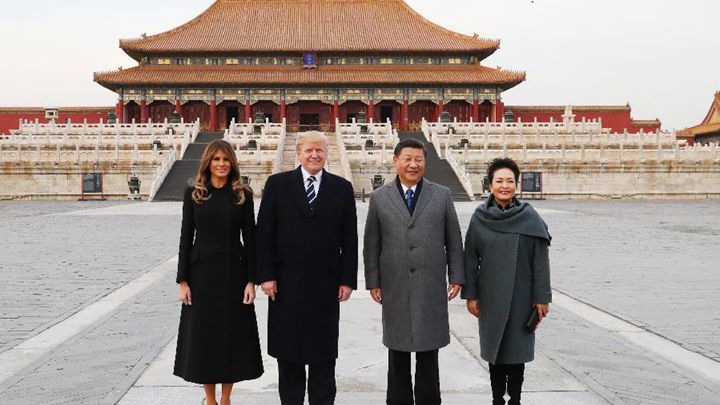
In the theater of international relations, the composition of a diplomatic delegation often speaks louder than the official communiqués they produce. When a head of state travels to a rival power’s capital, protocol dictates an entourage of seasoned diplomats, national security advisors, and foreign policy strategists. Yet, as President Donald Trump touched down in Beijing today, the traditional architects of statecraft were largely overshadowed by a different breed of power brokers: seventeen of America’s most influential corporate executives.
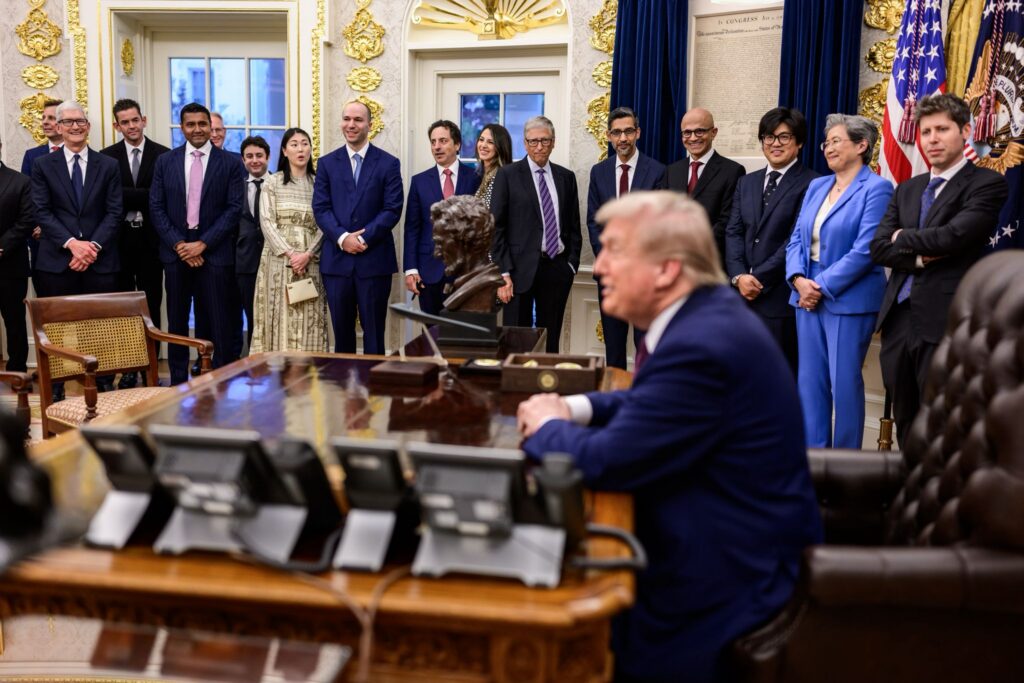
The presence of Apple’s Tim Cook, Tesla’s Elon Musk, Black Rock’s Larry Fink, SpaceX, Larry Fink of BlackRock, and top executives from JP Morgan, Meta, Boeing, Cargill, and Jamie Dimon is not a mere backdrop for a photo opportunity. This is the deployment of a corporate vanguard.
To the untrained eye, headlines focused on ceremonial handshakes miss the profound structural shift beneath the surface. We are witnessing the weaponization of private sector capital in a high-stakes geopolitical negotiation.
To understand the mechanics of this summit, we must dissect the intersecting crises and strategic imperatives driving both Washington and Beijing to the negotiating table:
1. The Economic Asymmetry and China’s Vulnerability
- Macroeconomic Stagnation – China’s real GDP growth has plummeted to near 1% following the economic shocks of late 2025, severely crippling its long-term strategic ambitions and domestic stability.
- Domestic Sector Crises – The total collapse of the Chinese property sector, combined with youth unemployment and historically low consumer confidence, has eroded the foundation of Beijing’s economic miracle.
- The Capital Imperative – Beijing desperately requires the specific assets brought by the U.S. delegation, including Apple’s manufacturing scale, Tesla’s technology, and BlackRock’s unparalleled access to global capital markets, to stimulate a recovery
2. Washington’s Strategic Objective in the Middle East
- The Iranian Proxy Network – The primary U.S. goal is neutralizing Iran’s formidable missile and drone capabilities, which currently destabilize the region but remain heavily dependent on external support like China and Russia.
- Intelligence Severance – Chinese naval vessels in the Arabian Sea and advanced satellite networks provide the critical real-time targeting data that effectively acts as the operational eyes for Iranian weaponry.
- The Failure of Traditional Sanctions – Recognizing that 145% tariffs and severe technology restrictions failed to change Beijing’s calculus, Washington is leveraging billion-dollar corporate expansions as an irresistible diplomatic carrot to blind Iran’s military.
3. The Unspoken Variable of Taiwan’s Sovereignty
- Regional Apprehension – Asian allies are currently watching the summit with profound anxiety, fearing Washington might trade long-standing security commitments for immediate economic and geopolitical leverage.
- Pre-Summit Concessions – The Trump administration’s calculated decision to delay a major arms sale to Taipei for months prior to this meeting signals a dangerous willingness to use Taiwan as a fluid bargaining chip.
- Implicit Leverage – While the word “Taiwan” may remain unspoken in the formal boardroom, both superpowers acutely understand it is the most heavily weighted and volatile asset on the geopolitical table.
4. The Russian Shadow over the Negotiating Table
- Synchronized Diplomacy – Russian Foreign Minister Sergei Lavrov’s arrival in Beijing within 24 hours of the U.S. delegation is a highly calculated demonstration of the enduring Sino-Russian strategic alignment.
- Backchannel Operations – Decades-old diplomatic conduits ensure that Russian President Vladimir Putin remains a silent but potent participant in the negotiations, meticulously monitoring potential shifts in global alliances.
- The Grand Bargain Hypothesis – Moscow seeks a reciprocal arrangement where a reduction in its strategic support for Iran is traded for diminished U.S. intervention in Ukraine, with President Xi Jinping acting as the ultimate guarantor of the pact.
Beijing is not a charity; it operates as the most sophisticated transactional state in the modern international system. The calculus here is brutal but clear. The United States has recognized that threats and tariffs have reached their point of diminishing returns. By bringing the architects of the American economy directly into the Great Hall of the People, Washington is offering the one thing Beijing cannot currently generate domestically: economic revitalization.
The gifts are the leverage. As these 17 CEOs sit across from Chinese leadership, the future of Middle Eastern security, Taiwan’s sovereignty, and the trajectory of the war in Ukraine all hang in the balance. This is no longer traditional diplomacy; it is the ultimate geopolitical transaction.