
Foreign Embarrassment Will Not End Until Sierra Leone Values Expertise Over Political Loyalists and Vuvuzelas
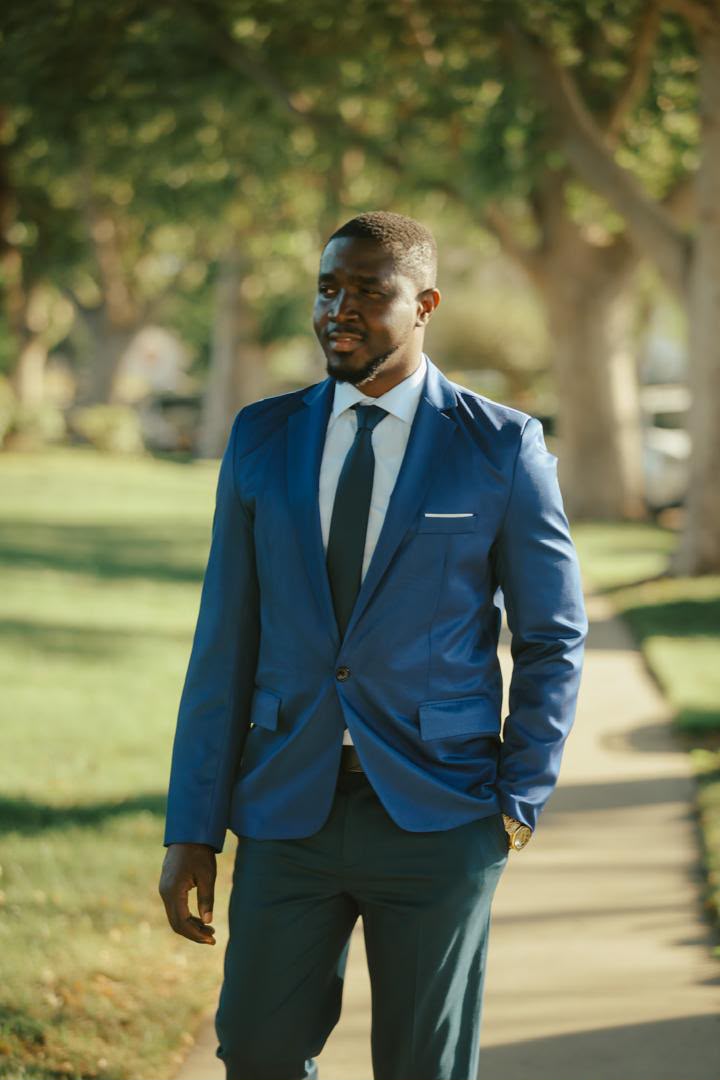
By Dr. Alhaji K. Tarawally, Professor of International Relations and Diplomacy
There comes a point when a nation must decide whether it truly wants progress or merely the appearance of it. Sierra Leone can no longer afford to keep sidelining its educated professionals in the diaspora while expecting different results at home. This is not about one person, one title, or one career. It is about thousands of Sierra Leoneans abroad who have earned the right to serve, but are too often overlooked in favor of political loyalists and convenient appointments.
The frustration is real because the cost is real. Many of us have invested heavily in our education, our careers, and our global experience. We have built expertise in diplomacy, international relations, communication, development, policy, business, and media. Yet when it comes time for national service, the door is often closed or only half-open. That should trouble every serious patriot.
Sierra Leone has had enough foreign embarrassment over the last few years. The recent U.S. restrictions on visa issuance to Sierra Leoneans have made that painfully clear. The U.S. suspended visa issuance for Sierra Leone nationals as part of a broader 2026 policy affecting 75 countries, with serious consequences for travel, study, family ties, and the country’s global standing. At the same time, the UK’s transit and visa rules continue to remind Sierra Leoneans that mobility is not just a personal issue; it is a diplomatic one. These developments are not just immigration matters. They are warnings about how the world sees us.
That is exactly why Sierra Leone must stop treating diplomacy and foreign affairs as rewards for political loyalty. Too often, strategic roles are handed to party loyalists, friends, or “vuvuzelas” instead of trained professionals who understand how to negotiate, mediate, lobby, and protect a nation’s interests. Foreign service is not a place for noise. It is a place for competence, discipline, and strategy.
Other African countries have moved more wisely. Ghana stands out as a strong example. It has created a structured diaspora engagement policy, established a Diaspora Affairs Office in the Office of the President, and built diaspora desks in its missions abroad to mobilize the knowledge, resources, and expertise of Ghanaians living overseas. Ghana’s message is clear: the diaspora is not a threat to national development. It is a strategic resource. Sierra Leone should be learning from that model, not ignoring it.
What Ghana has shown is that governments can actively invite their professionals abroad back into the national story. They can create pathways for return, contribution, and meaningful engagement. They can treat educated citizens overseas as partners rather than outsiders. That is the kind of vision Sierra Leone desperately needs.
This is why I say the issue is bigger than me. It is about a national culture that too often undervalues merit. It is about a government that must learn to see the diaspora not as a political risk but as a national asset. Doctors, professors, researchers, diplomats, economists, media professionals, and entrepreneurs in the diaspora should not be waiting on the sidelines while others with less experience and less global exposure occupy strategic spaces.
If Sierra Leone wants stronger foreign relations, fewer diplomatic setbacks, better investor confidence, and a more credible global image, then it must invest in the people who can deliver those results. That means appointing trained professionals, building real foreign policy capacity, and opening the door to diaspora expertise.
I remain willing to serve if the nation calls. But my voice is not only for myself. It is for every Sierra Leonean abroad who has been overlooked, dismissed, or excluded despite being ready to contribute. We should not have to beg to serve our own country.
Enough of the incessant foreign embarrassment. Enough of the habit of rewarding loyalty over competence. Enough of pushing away the very people who can help Sierra Leone stand taller in the world.
It is time to bring our best minds home — not only physically, but into the heart of national development.